The Rev. Dr. William (Bill) C. Myers
First Presbyterian Church
Charleston, WV
Biography
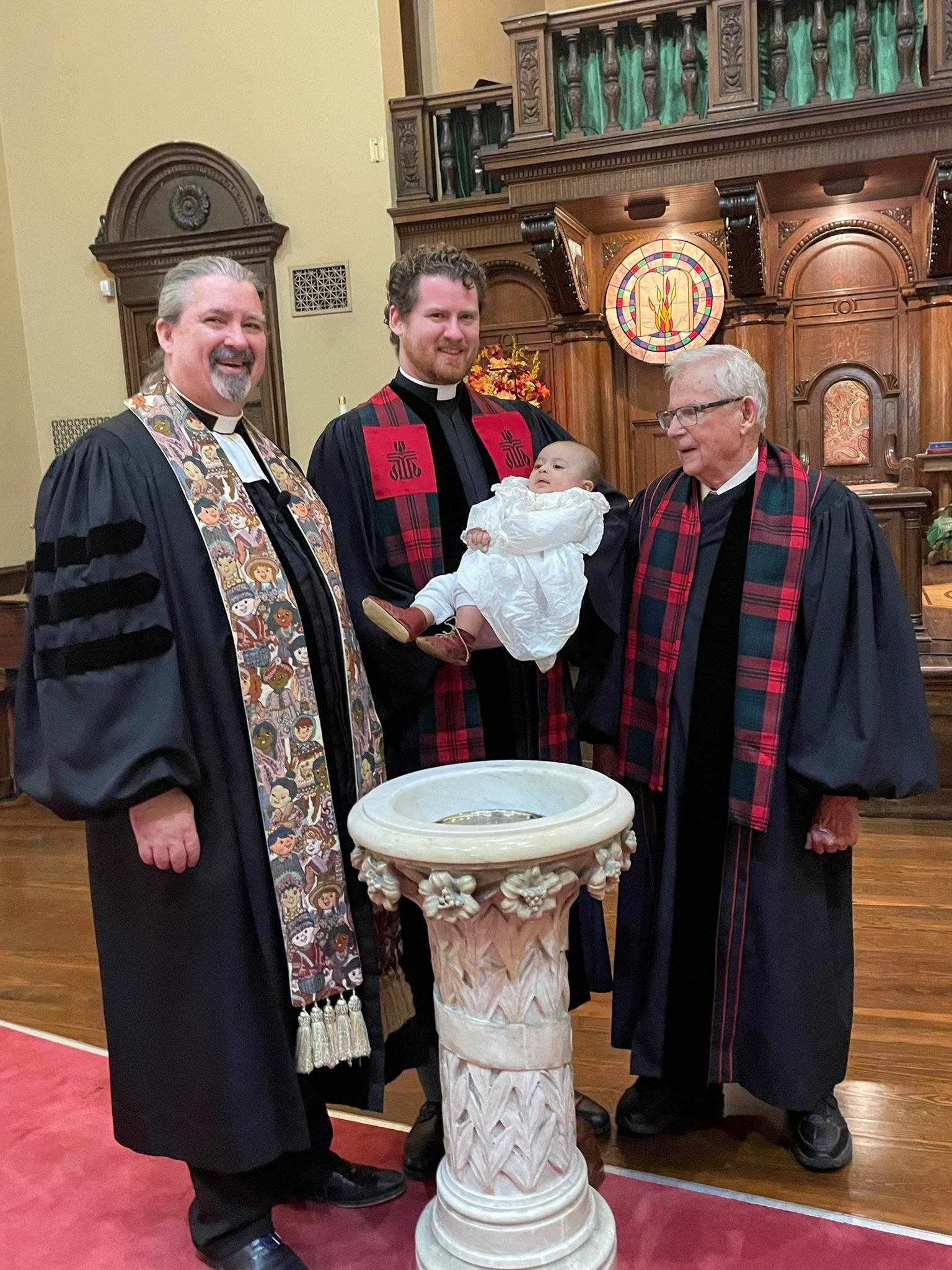
I’ve come to believe the church is at its best when it listens closely—to Scripture, to one another, and especially to people and places too often overlooked. In that listening, we hear the voice of God. That conviction has shaped my ministry in congregations across New Jersey, Pennsylvania, Iowa, Illinois, Michigan, and now West Virginia—churches seeking to be faithful amid change, uncertainty, and real life.
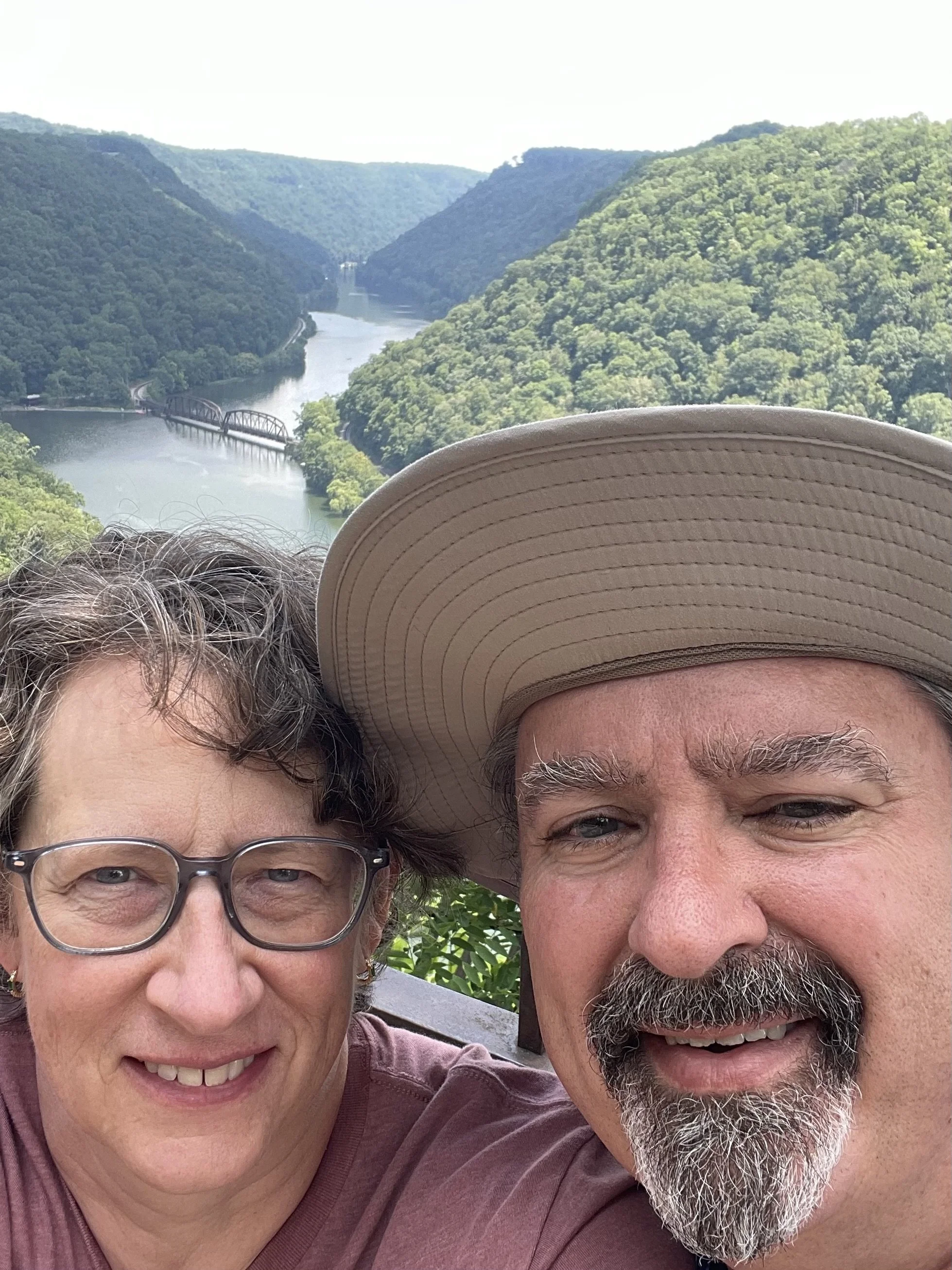
I serve as pastor of First Presbyterian Church in Charleston, West Virginia, and I’m grateful to be standing for Co-Moderator at the 227th General Assembly alongside Rev. Dr. Barbara Barkley. Together, we hope to encourage a church that listens more deeply and pays closer attention to where God is already at work—often in places the wider church is not accustomed to noticing.
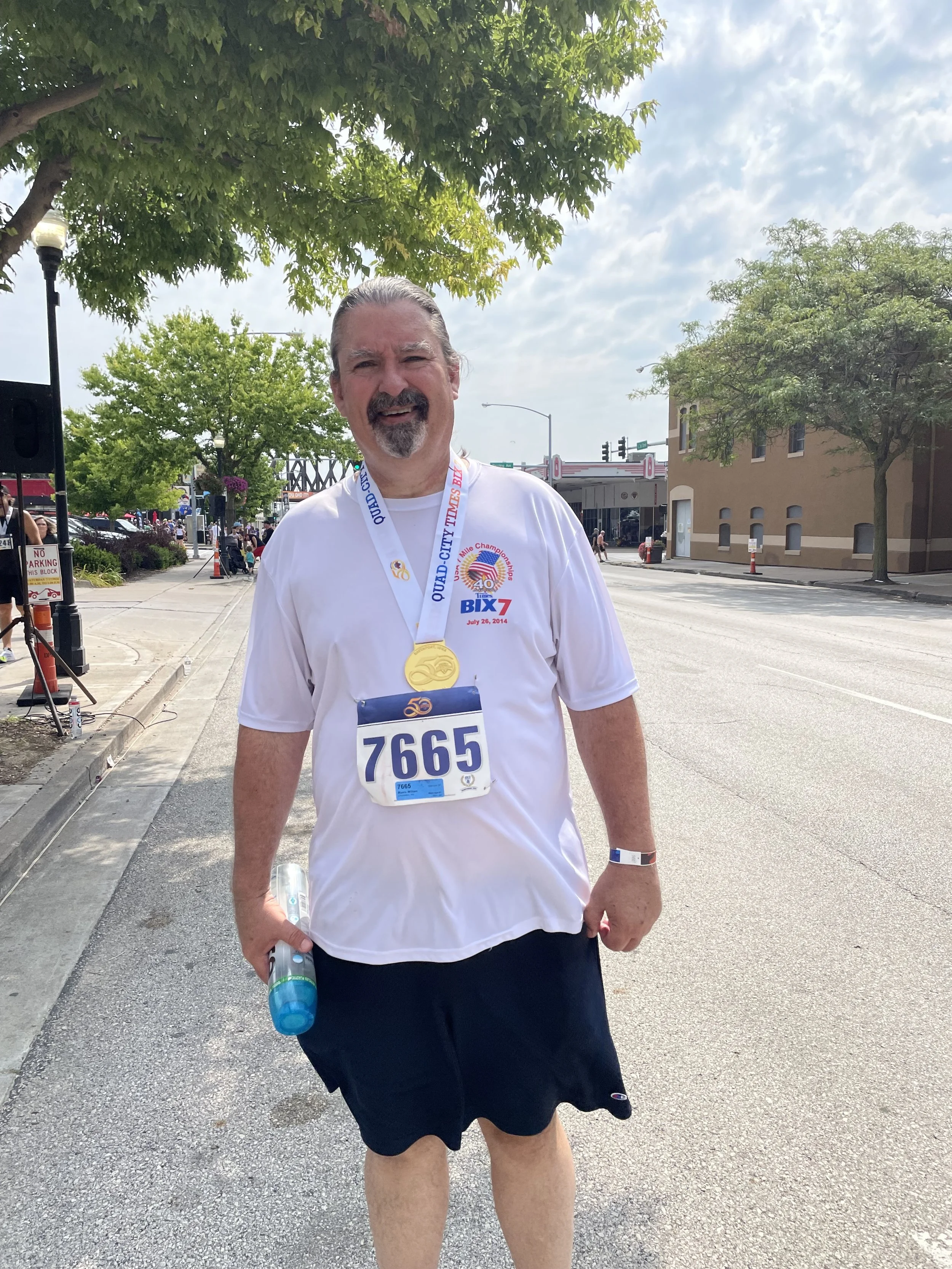
I was born in Honolulu while my father was stationed at Pearl Harbor and grew up in the Quad Cities of Illinois. Monmouth College is where my sense of call took shape, later deepened through seminary at Princeton (M.Div.) and Pittsburgh (D.Min.). Still, most of what has formed my ministry has come through the congregations and people I’ve served alongside.
I currently serve on the Leadership Team of the Presbytery of West Virginia and lead workshops for lay pastors. Across presbytery and congregational life, the work has been steady: helping the church stay connected, attentive, and grounded in its shared calling.
As the organizing pastor of Northminster Presbyterian Church, I experienced both the challenge and joy of forming a new congregation. We learned to let a simple conviction guide us—that the church exists to serve—trusting God to shape our life together more than expectation or trend.
Much of my sense of call today is rooted in West Virginia and communities like it—places marked by resilience, creativity, and steady faith. I’ve seen something similar in the church in Cuba: congregations with limited resources, yet rich in joy, generosity, and practiced faith. These are not lesser stories; they are closer to the heart of who we are becoming.
This moment in the church is not primarily about better strategy, but about deeper attentiveness—learning again how to listen, how to speak truthfully, and how to remain at the table with one another when it is difficult. Barbara Barkley and I share that commitment: leadership that listens well, resists easy division, and trusts the Spirit already at work among us.
What gives me hope is simple: the church is still showing up, and God is still speaking—often through the very people and places we are only beginning to hear.
Call to Ordered Ministry
My call to ordered ministry didn’t begin with a single moment, but with a pattern I couldn’t ignore. In high school and college, people kept asking—sometimes out of the blue—if I had ever considered ministry. I didn’t quite know what to do with that, especially since I wasn’t much of a church person at the time. I had been Presbyterian since before I was born, but my return to church came more through the church softball team than any clear sense of calling. Still, those questions lingered, and over time, I began to recognize them as part of how God was drawing me in.
One moment that helped clarify that call came during a summer at Stronghold, a Presbyterian camp and conference center, where I was working as a pot washer. It was my turn to lead worship during a week marked by real tension between the kitchen and program staffs. I planned to speak to that conflict, though I had one concern: no one ever heard the messages because the mosquitoes were relentless. That week, I prayed for no distractions. After worship, I asked people about the mosquitoes. No one had noticed them. More importantly, they had heard one another. The tone of the week shifted. It was a small moment, but it stayed with me: when the church is able to listen—really listen—God creates space for something new to emerge.
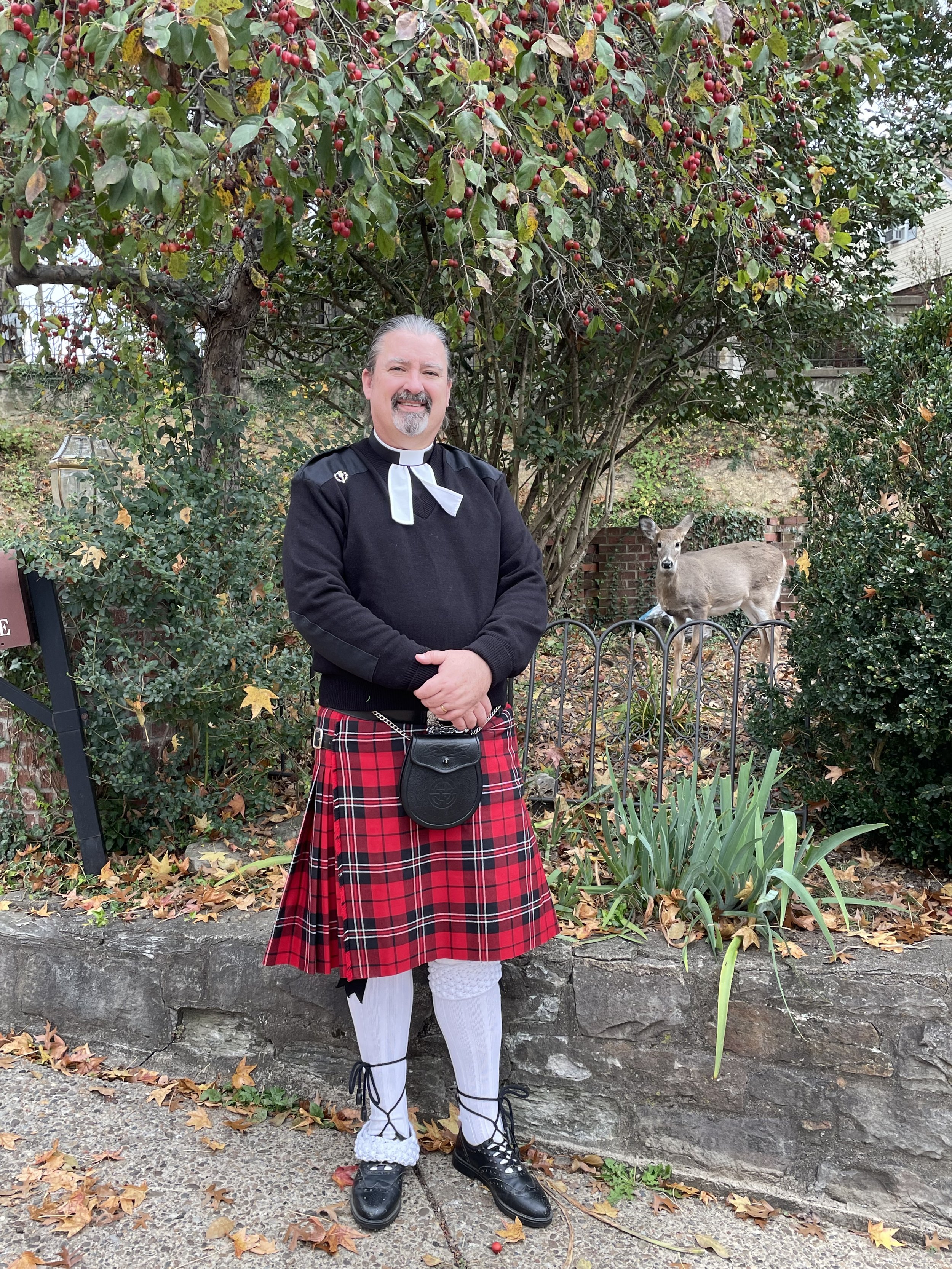
That conviction has shaped my ministry ever since. In congregations across a variety of settings, and most recently in Charleston, West Virginia, I have walked with communities through seasons of change, grief, and renewal. In one such season, we navigated significant leadership transitions while strengthening trust, transparency, and shared purpose. I’ve come to believe the church is strengthened not by avoiding hard moments, but by engaging them faithfully together – and trusting that God is present in the midst of that work.
I’ve also found deep meaning in serving the wider church—as a small group leader at Triennium and Montreat, on the General Assembly Permanent Judicial Commission, and in presbytery leadership. These experiences have deepened my appreciation for the breadth of the church and the importance of staying connected, even when we do not see things the same way.
That is what has led me to stand for Co-Moderator, alongside Rev. Dr. Barbara Barkley. This is not a new direction for me—it is a continuation of the same call: to help the church listen well, stay at the table, and recognize where God is already at work, especially in voices we are too quick to miss.
If given the opportunity to serve, I will bring that same commitment, trusting that God is already at work among us. When we listen well, people hear each other, trust grows, and the church becomes stronger—together.